About
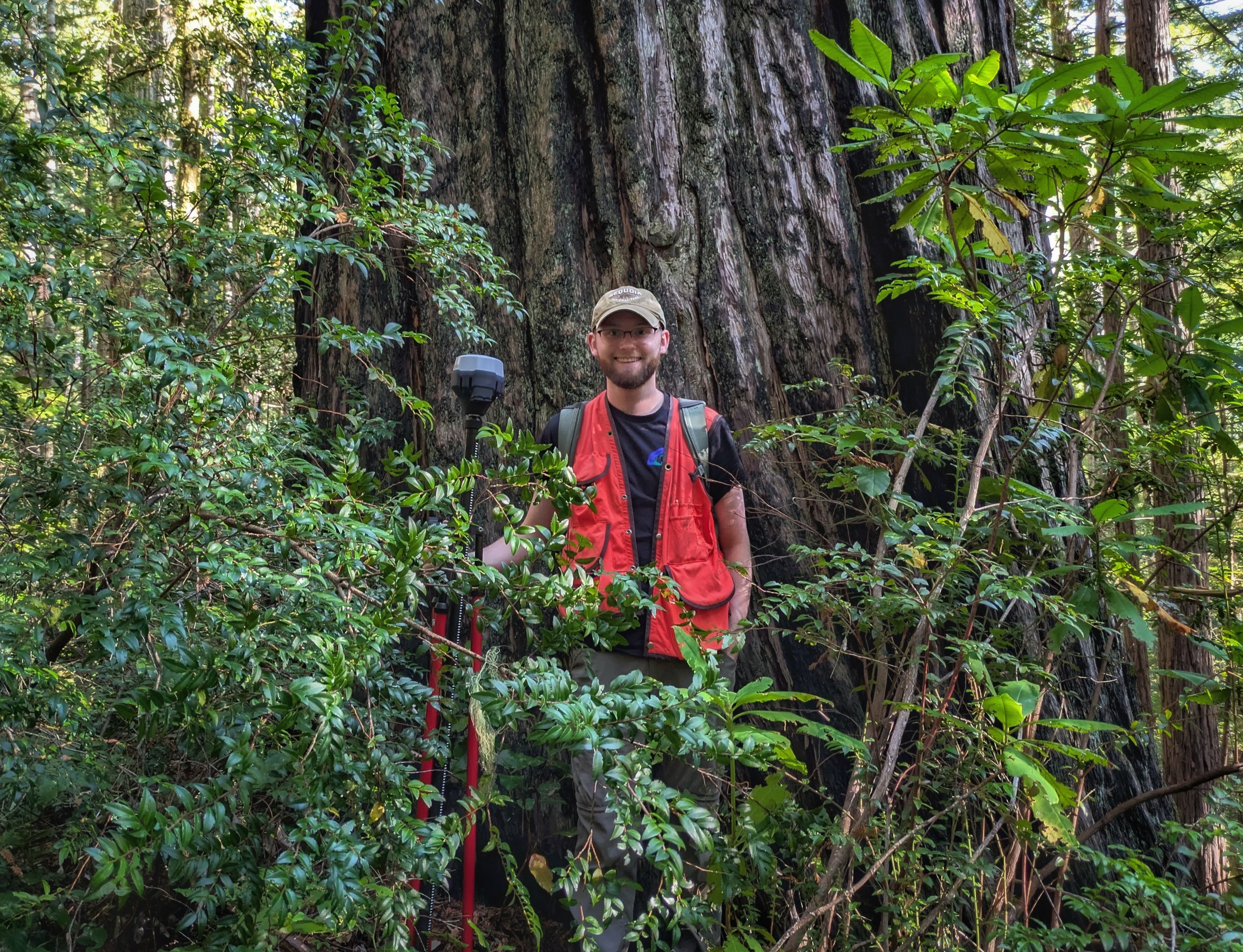
Growing up in a small town in southern Wisconsin, I spent much of my childhood exploring the local forests. In 2022, I received my B.S. in Geography and Environmental Studies with a minor in Mathematics from the University of Wisconsin-Madison. While there, I worked on several research projects, including mapping the Wildland-Urban Interface (WUI), assessing wildfire risk in the Sierra Nevada, and creating regional maps to promote sustainable forestry in Argentina. After graduating, I spent a summer conducting dendrochronology fieldwork in the Oregon Coast Range.
In 2024, I received my M.S. in Geography from the University of Oregon. My research focused on modeling forest landscapes using LANDIS-II. My thesis assessed how an experimental forest management plan may impact timber production, wildlife habitat, vegetative diversity, and carbon storage under climate change and interacting disturbances. I also collaborated with three groups of forest ecosystem modelers to compare the behavior and utility of three forest models (FVS BioSum, ED2, and LANDIS-II) for projecting the effects of climate change, management, and disturbance on West Coast forests. Finally, I worked with collaborators from IIASA and the USDA FS Northern Research Station to assess the sustainability and impact of timber production in Siberia under climate change.
I am currently pursuing a Ph.D. in Forest Science at Colorado State University. My research utilizes ground measurements from field campaigns and the USFS’s Forest Inventory and Analysis plot network, as well as large-scale LiDAR data, to train a Sentinel-2 model that will predict forest structure and composition in forests of northern New Mexico. This model will aid in treatment planning and monitoring within the Carson and Santa Fe National Forests. I am also building on previous modeling efforts to assess the impact of climatic departure, topography, fuel availability, heterogeneity, and connectivity on the extent of high severity wildfire in the Western United States.